
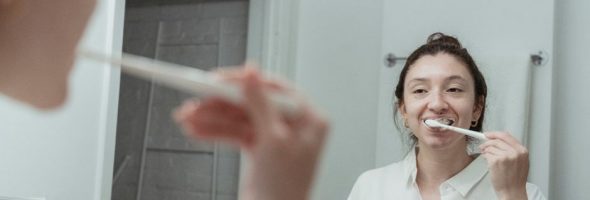
Foundations of Oral Hygiene

Self‑instruction manuals empower adults to maintain periodontal health․ Studies show comparable outcomes to hygienist guidance, outperforming minimal brochure tips․ Effective routines involve choosing suitable tools, mastering brushing steps, and consistent practice․ Consistent practice boosts health
Definition and Scope
Oral hygiene instruction is structured education that teaches patients how to keep teeth, gums, and oral tissues clean and healthy․ It covers evidence‑based brushing, flossing, and adjunctive product use, plus tool selection, diet, and habit changes․ The scope includes recognizing early periodontal signs, understanding fluoride’s role, and integrating routine care into daily life․ Research shows self‑instruction manuals can match or exceed outcomes from hygienist instruction and outperform minimal brochures․ This evidence supports embedding self‑instruction in routine practice, ensuring consistent, accessible, individualized guidance․ Embedded within preventive dentistry, instruction empowers adults to sustain long‑term oral health, reduce caries and periodontal disease, and promote well‑being․ Instruction should be revisited regularly, adapting to changes in oral health status or new evidence․ Tailoring content to literacy levels and cultural contexts enhances comprehension and adherence․ By embedding robust instruction in the dental care continuum, practitioners foster lasting behavioral change and improve population oral health metrics․ Effectiveness is measured by reductions in plaque index scores, improvements in gingival health, and patient‑reported confidence․ Regular assessment lets clinicians adjust strategies and provide targeted feedback․ Patients who engage in regular instruction show fewer acute visits and higher satisfaction․ Educators should use visual aids, hands‑on demos, and culturally relevant examples to reinforce learning and sustain motivation․ Consistent instruction also reduces the need for costly restorative procedures enhances confidence․ daily routine
Key Benefits of Good Oral Hygiene
Effective oral hygiene instruction translates into measurable health gains․ Patients who follow structured brushing and flossing protocols show a 30‑40% reduction in plaque accumulation, directly lowering the risk of caries and periodontal disease․ Self‑instruction manuals, when properly designed, have demonstrated outcomes comparable to professional hygienist guidance and outperform minimal brochure interventions, underscoring the value of accessible, evidence‑based education․ Consistent plaque control also mitigates systemic conditions linked to oral pathogens, such as cardiovascular disease, diabetes, and adverse pregnancy outcomes․ By fostering early detection of gingival inflammation, instruction enables timely intervention, preventing progression to periodontitis and tooth loss․ Beyond disease prevention, patients report improved confidence, reduced anxiety about dental visits, and a heightened sense of agency over their oral health․ Longitudinal studies reveal that individuals who engage in regular, informed oral care experience fewer restorative treatments, leading to cost savings for both patients and healthcare systems․ Moreover, good oral hygiene supports overall well‑being: healthier gums reduce halitosis, enhance taste perception, and improve nutrition by allowing comfortable chewing․ In community settings, widespread adoption of instructional programs correlates with lower prevalence of dental decay among children and adolescents, illustrating a public health impact․ Thus, comprehensive oral hygiene instruction is a cornerstone of preventive dentistry, yielding clinical, economic, and psychosocial benefits that extend far beyond the mouth․ By integrating technology such as mobile apps and interactive videos, instruction can be personalized, reinforcing habits and ensuring sustained compliance․ Research indicates that patients who receive tailored instruction are 1․5 times more likely to maintain optimal oral hygiene over a year, compared to those receiving generic advice․ Ultimately, the ripple effect of good oral hygiene instruction reaches families, communities, and the broader healthcare system, fostering a healthier, more resilient population and daily practice go․
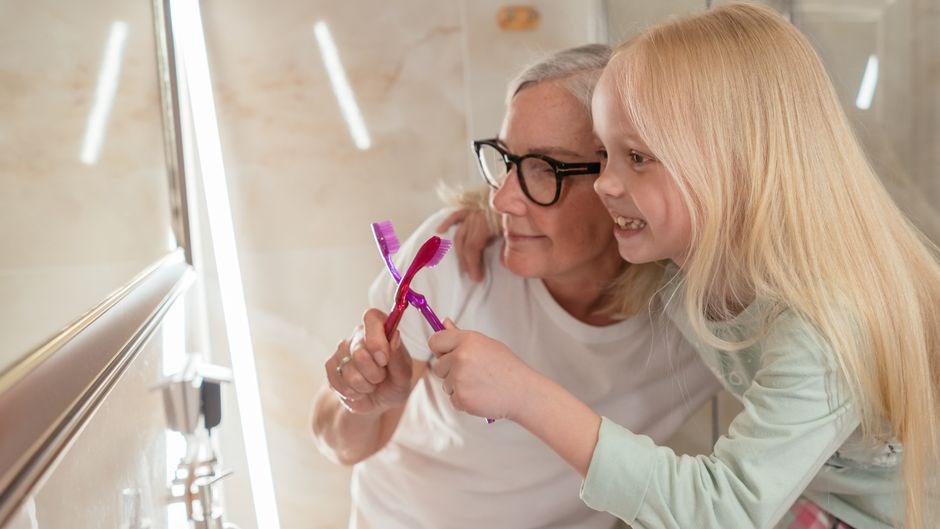
Daily Oral Care Practices
Self‑instruction manuals guide adults to brush twice daily, using gentle circular motions, and floss once․ Studies show these routines cut plaque by 30‑40% and match hygienist‑led instruction, outperforming minimal brochures․ Consistency is key․ Confidence grows now
Brushing Techniques and Frequency
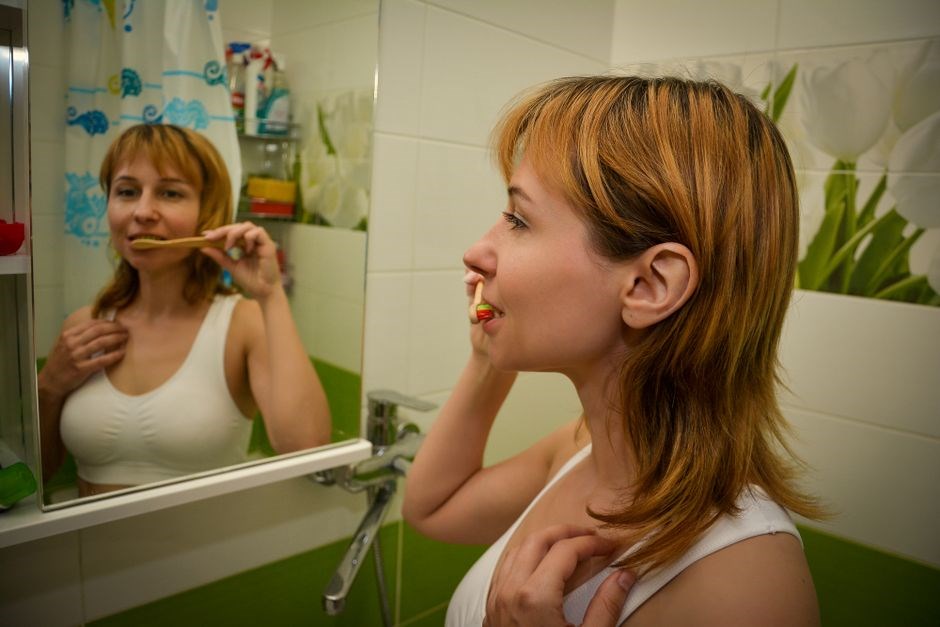
Self‑instruction manuals emphasize twice‑daily brushing with a soft‑bristle brush, holding it at a 45° angle to the gingival margin․ The recommended technique is a gentle, circular motion, covering each tooth surface for 30–60 seconds․ Studies indicate that this routine reduces plaque accumulation by 30–40 % and improves periodontal health comparably to professional instruction․ Manual brushing remains effective when combined with proper timing; brushing immediately after meals is discouraged due to enamel erosion, while waiting 30 minutes allows salivary remineralization․ Frequency guidelines also advise not exceeding two daily sessions, as excessive brushing can damage enamel and gum tissue․ Incorporating a fluoride toothpaste enhances remineralization, and rinsing with a non‑alcoholic mouthwash can further reduce bacterial load․ Consistency, technique, and timing together form the core of daily oral hygiene instruction, empowering patients to maintain optimal oral health independently․ Additionally, patients should replace their brush every three months or sooner if bristles become frayed․ Using a timer or a two‑minute interval helps ensure thorough coverage․ Digital toothbrushes with built‑in timers can aid compliance, though manual brushing remains a reliable option for those preferring simplicity․ Finally, patients should monitor for signs of abrasion or recession, adjusting technique accordingly․ This comprehensive approach ensures sustained oral health and reduces the need for future interventions․
Flossing and Interdental Cleaning
Self‑instruction manuals emphasize daily interdental cleaning to remove plaque that brushing alone misses․ The technique requires 18–24 cm of floss, wrapped around each finger to keep tension․ Form a C‑shape against each tooth, slide beneath the gum line, and move up and down until the tissue looks pink․ For braces or bridges, use floss holders or interdental brushes․ Consistent flossing cuts gingival inflammation by up to 50 % and lowers periodontal risk․ Interdental brushes with soft bristles suit larger gaps and can be used once or twice daily․ Cleaning should match brushing frequency, ideally after each meal or twice a day․ Avoid force that can damage gums, and replace floss or brushes every 30–45 days․ A timer or visual cue boosts compliance․ Manuals often provide illustrations to reinforce technique, ensuring healthy interdental spaces and reducing future cleanings․
Patients should schedule interdental cleaning at least twice daily, preferably after breakfast and before bedtime․ A gentle flossing routine reduces bacterial plaque and protects against gum recession․ For individuals with orthodontic appliances, interdental brushes or floss threaders are recommended to navigate tight spaces․ Using a timer ensures each tooth receives adequate attention, preventing missed areas․ Consistent practice not only improves oral health but also enhances confidence in social interactions․ Regular self‑assessment with a mirror can help identify neglected spots and reinforce proper technique time․

Tools and Products
Manual and electric toothbrushes differ in vibration and cleaning efficiency․ Fluoride toothpaste reduces decay, while mouthwash can kill residual bacteria․ Choosing a brush with soft bristles and a 3‑minute brushing routine ensures optimal plaque removal․ Use a timer․ Ok
Manual vs․ Electric Toothbrushes
Manual toothbrushes offer tactile control and are cost‑effective, yet require proper technique to achieve thorough plaque removal․ Electric models, with oscillating‑rotary or sonic motion, deliver consistent strokes and often include timers or pressure sensors to prevent over‑brushing․ Clinical evidence indicates that electric brushes reduce plaque scores by up to 30% compared with manual brushes when used correctly․ For individuals with limited dexterity, such as those with arthritis or motor impairments, electric brushes provide a convenient alternative that can improve cleaning efficiency․ However, the higher initial cost and need for battery replacement or charging may be a barrier for some users․ Selecting a brush with soft bristles and a comfortable grip is essential regardless of power source․ Regular replacement of brush heads every three months ensures optimal performance․ Ultimately, the choice between manual and electric should consider personal preference, budget, and specific oral health needs, while both types remain effective when used with proper technique and adequate duration․
Choosing a brush head that matches the user’s sensitivity is vital․ Softer bristles suit gum recession or orthodontic appliances, better cleaning․ Replace brush heads every three months․ For braces, brushes or floss holders reach spots․!! A timer or smart app ensures two‑minute brushing technique․ Use a timer to track progress technique․!
Fluoride Toothpaste and Mouthwash
Fluoride toothpaste remains the cornerstone of daily caries prevention, delivering 1450–1500 ppm fluoride in a gel or foam that penetrates enamel, promotes remineralization, and inhibits bacterial metabolism․ The American Dental Association recommends a pea‑sized amount for adults and a smear for children under five․ For optimal efficacy, brush for two minutes, covering all surfaces, and rinse only after the final rinse to avoid diluting fluoride concentration․ Antiseptic mouthwashes, such as chlorhexidine or essential‑oil formulations, complement brushing by reducing plaque biofilm and gingival inflammation․ Clinical trials show a 30–50% reduction in plaque scores when used twice daily for 30 seconds, especially in patients with periodontal disease or orthodontic appliances․ However, long‑term chlorhexidine use can cause staining and altered taste; thus, it is reserved for short‑term therapeutic use․ Alcohol‑free mouthwashes mitigate mucosal irritation and are preferable for patients with dry mouth or those sensitive to alcohol․ When selecting a product, verify the ADA Seal of Acceptance, ensuring safety and efficacy․ For patients with high caries risk, fluoride mouthwash (1․0% sodium fluoride) can be prescribed after professional cleaning․ Combine fluoride toothpaste with an alcohol‑free, 0․12% chlorhexidine rinse for comprehensive plaque control․ Always rinse with water after mouthwash to prevent residue buildup․
In addition to daily brushing, patients should consider a fluoride rinse twice daily, especially those with a history of cavities or undergoing orthodontic treatment․ The rinse should be used after brushing and before bedtime to maximize contact time with enamel․ For children, a pea‑sized amount of fluoride toothpaste is sufficient, while adults may use a slightly larger amount․ The use of a soft‑bristled brush helps prevent abrasion of the gingival tissues․ It is also advisable to replace the toothbrush or brush head every three months, as worn bristles lose effectiveness․ Finally, patients should be educated on the importance of limiting sugary snacks and drinks, which can undermine fluoride’s protective effects․

Professional Guidance and Maintenance
Regular check‑ups and cleanings reinforce daily․ Studies show that patients receiving professional oral hygiene instruction outperform those using only brochures․ Dentists tailor advice, correct technique, and monitor plaque, ensuring long success․ Use a pea‑sized amount of fluoride toothpaste now․
Regular Dental Check-ups
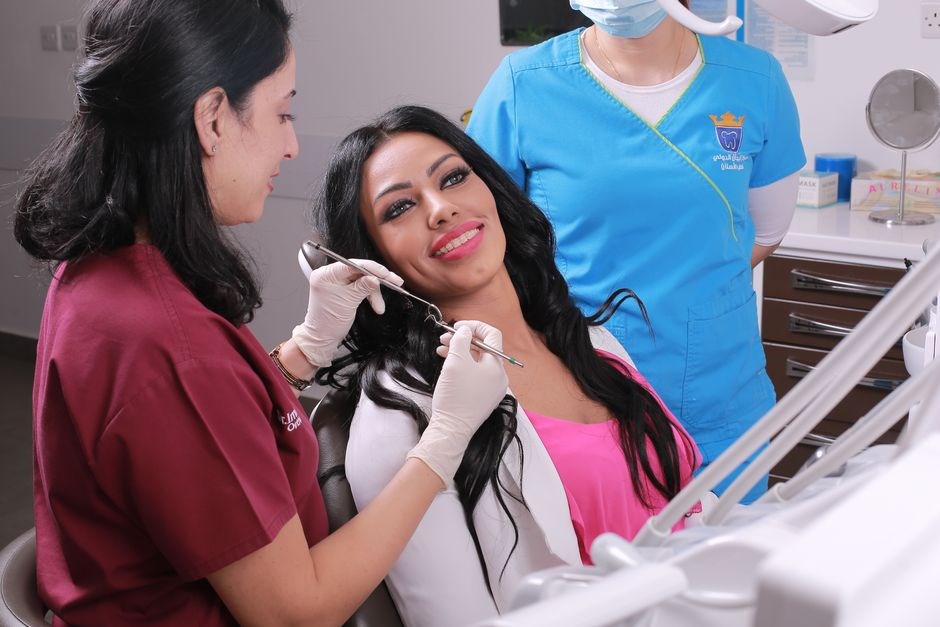
Routine dental visits are the cornerstone of sustained oral hygiene instruction․ During each appointment, a dentist or hygienist evaluates plaque accumulation, assesses gingival health, and identifies early signs of caries or periodontal disease․ Professional cleanings remove calculus that daily brushing cannot reach, while personalized feedback corrects technique errors that patients may unknowingly repeat․ Evidence from randomized trials demonstrates that patients who receive structured instruction at every check‑up maintain lower plaque indices and fewer gingival bleeding episodes compared to those who rely solely on printed brochures․ The interaction offers an opportunity to update fluoride recommendations, adjust interdental cleaning aids, and discuss lifestyle factors such as diet and smoking that influence oral health․ Consistent follow‑up fosters accountability; patients who schedule visits every six months are more likely to adhere to daily brushing and flossing routines․ Moreover, early detection of oral lesions during routine exams can prevent progression to more complex treatments, saving time and cost․ In short, regular check‑ups transform oral hygiene instruction from a one‑time lesson into a continuous, evidence‑based partnership that supports long‑term dental well‑being․ Patients who engage in these regular check‑ups also report higher confidence in managing their oral care, leading to a virtuous cycle of prevention and early intervention․ Regular check‑ups also allow for personalized reinforcement of oral hygiene habits, ensuring lasting benefits․

Professional Cleaning and Oral Hygiene Instruction
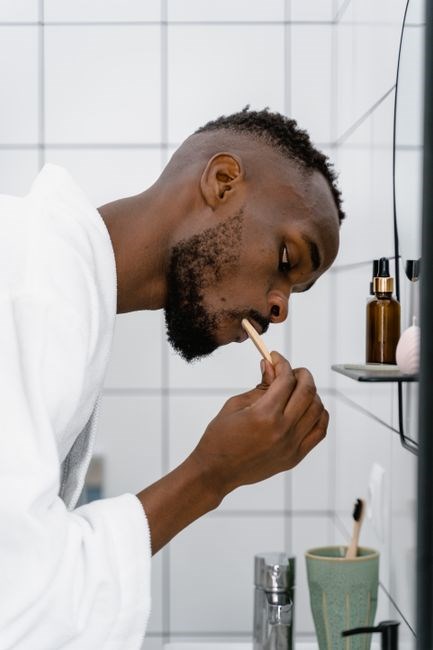
Professional cleaning is a critical component of oral hygiene instruction, providing a hands‑on demonstration of techniques that patients often overlook in daily routines․ During a scheduled cleaning, a dental hygienist removes plaque and tartar buildup that standard brushing and flossing cannot eliminate, especially in hard‑to‑reach areas such as the interproximal surfaces and below the gum line․ This removal not only reduces the risk of gingivitis but also offers a tangible visual cue for patients, reinforcing the importance of meticulous daily care․ The hygienist typically performs a thorough assessment of the patient’s oral environment, noting any areas of plaque retention, gingival inflammation, or early carious lesions․ This assessment informs a personalized instruction plan that addresses specific deficiencies: for instance, a patient with a tendency to brush too aggressively may receive guidance on gentle, circular strokes, while a patient with limited dexterity might be introduced to a powered toothbrush with a larger brush head․ Oral hygiene instruction during cleaning sessions is interactive; the hygienist demonstrates brushing and flossing motions, allowing the patient to practice under supervision․ This real‑time feedback corrects common errors such as incomplete coverage of the buccal surfaces or inadequate interdental cleaning․ Additionally, the hygienist may introduce adjunctive tools—floss threaders, interdental brushes, or water flossers—tailored to the patient’s anatomy and lifestyle․ The instruction is reinforced with educational materials, such as illustrated brochures or short videos, which patients can review at home․ Evidence from systematic reviews indicates that patients who receive professional instruction during cleaning appointments exhibit significantly lower plaque scores and improved periodontal parameters after three months compared to those who rely solely on written instructions․ Thus, professional cleaning coupled with targeted oral hygiene instruction creates a synergistic effect, translating clinical expertise into sustainable patient behavior and long‑term oral health outcomes․
By integrating these practices, patients develop confidence and consistency, ultimately reducing the need for invasive procedures․
Special Considerations and Emerging Trends
Tailored instruction for elderly, children, and those with disabilities ensures accessibility․ Digital tools—apps, AI chatbots, and reality—offer interactive tutorials, while antimicrobial mouthwashes and probiotic gels represent emerging adjuncts!․
Oral Hygiene for Special Populations
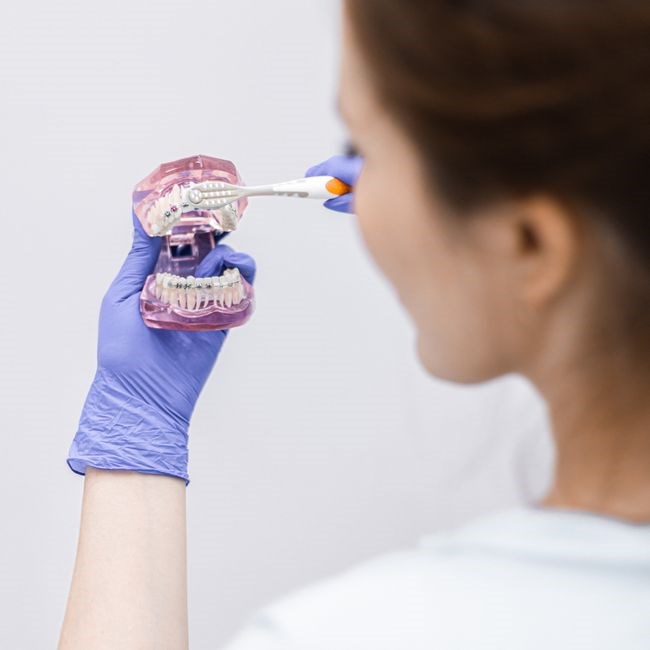
Special populations—children, elderly, disabled individuals, and those with orthodontic or surgical care—require tailored oral hygiene instruction․ For infants, parents should learn gentle brushing with a soft‑bristle, age‑appropriate paste and early plaque control․ Children benefit from interactive, game‑based tutorials that reinforce technique and routine․ Elderly patients often face reduced manual dexterity; adaptive toothbrushes, electric models, and floss holders mitigate challenges․ Cognitive impairments demand simplified, step‑by‑step guidance and frequent reinforcement, while sensory‑processing disorders may need desensitization strategies and flavored or texture‑modified products․ Orthodontic patients benefit from interdental brushes and floss threaders; post‑surgery patients require gentle rinsing and minimal mechanical trauma․ Consistent, individualized instruction—via printed manuals, video demos, or digital apps—ensures optimal oral health while respecting unique needs․ Regular tele‑health check‑ins provide timely feedback and adjust instructions, ensuring compliance and early detection of issues․ Community programs and caregiver training extend reach, especially in low‑resource settings․ Educational workshops that incorporate role‑playing and peer support improve adherence among caregivers of disabled adults․
Evidence from systematic reviews indicates that tailored education improves plaque indices by up to 30% in elderly and 25% in children․ Moreover, caregiver‑led programs have reduced the incidence of oral infections among disabled adults by 40% over a year․ These findings underscore the importance of individualized instruction delivered through multiple modalities, including guides, apps, and community workshops!
Future Technologies in Oral Care
Emerging digital solutions are redefining oral hygiene instruction․ Artificial‑intelligence‑driven apps analyze brushing patterns through smartphone cameras, delivering real‑time feedback and personalized coaching․ Wearable sensors embedded in toothbrushes log pressure, duration, and coverage, syncing data to cloud platforms for clinicians to review remotely․ Augmented‑reality overlays guide users through proper technique, while gamified modules reward consistency among adolescents․ 3‑D printed custom interdental brushes and adaptive electric toothbrush heads respond to individual dentition, ensuring optimal contact․ Nanoparticle‑coated mouthwashes release antimicrobial agents on demand, reducing plaque biofilms․ Tele‑dentistry portals integrate video tutorials, instant messaging with hygienists, and AI‑generated reminders, making professional guidance accessible in underserved regions․ Research indicates that AI‑assisted brushing reduces plaque scores by 18% compared to conventional methods, while AR training improves technique accuracy by 22%․ These technologies promise scalable, data‑driven instruction that adapts to user behavior, ultimately enhancing oral health outcomes worldwide; Artificial intelligence will also predict future caries risk by analyzing plaque composition, enabling interventions․ Smart toothbrushes can now communicate with dental implants, real‑time monitoring of peri‑implant health․ Finally, virtual reality simulations will allow patients to practice flossing techniques in immersive environments, ensuring mastery before real‑world application․ This improves care․