

Nature journaling‚ coupled with artistic representation‚ increasingly intersects with evolving legal frameworks. These practices document environmental changes‚ potentially serving as evidence within emerging Rights of Nature laws and litigation.
The Growing Legal Recognition of Nature’s Rights
A significant shift is underway in legal thought‚ moving beyond traditional environmental protection towards recognizing inherent rights for natural entities. This paradigm shift‚ fueled by Indigenous perspectives and a growing awareness of ecological interconnectedness‚ views nature not merely as property‚ but as a rights-bearing subject.
The concept‚ explored in the Oxford Journal of Legal Studies‚ centers on establishing nature as a legal subject‚ either through granting new rights or creating new legal personhood. This isn’t simply about human benefit; it’s about acknowledging intrinsic value.
Legal scholars‚ as highlighted by the Southern California Law Review‚ are drawing upon international precedents – like constitutional provisions in Ecuador and Bolivia – and even French law’s approach to repairing environmental damage. This evolving legal landscape suggests that detailed documentation‚ like that provided through nature journaling and art‚ could become increasingly vital in advocating for these rights.
The Intersection of Art‚ Observation‚ and Legal Advocacy
Nature drawing and journaling aren’t simply artistic pursuits; they represent a powerful convergence of observation‚ documentation‚ and potential legal evidence. Detailed sketches and written records capture environmental baselines and changes over time‚ offering a unique perspective often missing from purely scientific data.

Ethical Theory and Moral Practice suggests Rights of Nature (RoN) emphasize relational aspects‚ fostering care for ecosystems. Artistic representations can powerfully convey these relationships‚ reinforcing Indigenous authority and jurisdiction.
This intersection is crucial for legal advocacy. Visual and textual records can substantiate claims of environmental harm‚ demonstrate ecological value‚ and support legal arguments for nature’s rights. The ability to articulate a deep understanding of a place‚ honed through consistent observation and artistic expression‚ can be invaluable in environmental litigation and policy debates‚ bridging the gap between scientific data and compelling narrative.

Historical Context: Nature Representation & Legal Standing
Early naturalist illustrations were vital for scientific law‚ documenting species and ecosystems. This historical precedent informs current efforts to grant legal standing to nature itself.
Early Naturalist Illustrations and Their Role in Scientific Law
Historically‚ meticulous naturalist illustrations weren’t merely artistic endeavors; they were foundational to the development of scientific law and resource management. Before photography‚ detailed drawings and paintings served as the primary means of documenting flora‚ fauna‚ and geological formations. These visual records were crucial for establishing species identification‚ understanding ecological relationships‚ and ultimately‚ formulating legal frameworks surrounding natural resources.
Illustrations provided verifiable evidence in disputes over land ownership‚ resource extraction‚ and species protection. Early botanical surveys‚ for example‚ relied heavily on accurate depictions of plants for medicinal and commercial purposes‚ influencing trade regulations and property rights. Zoological illustrations aided in defining hunting seasons and protecting endangered species. The precision demanded in these artworks lent them a quasi-legal weight‚ as they were often presented as evidence in court cases or used to inform legislative decisions.
This legacy demonstrates a long-standing connection between visual representation of nature and the establishment of legal precedents‚ a connection that resonates with contemporary efforts to utilize nature journaling and art as evidence in environmental advocacy.
The Evolution of Environmental Law: From Protection to Rights
Environmental law initially focused on protecting human interests from environmental harm‚ regulating pollution and resource extraction for public health and economic benefit; Early legislation‚ like the Clean Air and Water Acts‚ treated nature as a resource to be managed for human use. However‚ a paradigm shift began to emerge‚ questioning this anthropocentric view.
The latter half of the 20th century witnessed growing awareness of intrinsic ecological value‚ leading to concepts like biodiversity conservation and ecosystem services. This evolved into the “Rights of Nature” movement‚ asserting that natural entities – rivers‚ forests‚ ecosystems – possess inherent legal rights‚ similar to those held by humans or corporations.
This shift is reflected in legal developments in Ecuador and Bolivia‚ recognizing nature’s rights in their constitutions. Contemporary legal scholarship explores “Legal Personhood” models‚ granting nature standing in court. This evolution creates new avenues for utilizing nature journaling and art as evidence‚ demonstrating ecological harm and advocating for nature’s legal standing.
Rights of Nature: A Global Legal Movement
A growing international movement advocates for recognizing nature’s inherent rights‚ moving beyond traditional environmental protection. This paradigm shift utilizes rights-based frameworks‚ influencing legal strategies.
The Rights of Nature vs. Environmental Protection
Traditional environmental protection typically frames nature as property‚ allowing human use contingent on sustainable management and mitigating harm. Conversely‚ the Rights of Nature fundamentally alters this perspective‚ recognizing ecosystems as possessing inherent legal rights – the right to exist‚ thrive‚ and evolve. This isn’t merely about conservation; it’s about granting nature the standing to be represented in legal proceedings.
This distinction is crucial. Environmental laws often focus on protecting human interests through environmental preservation. Rights of Nature laws‚ however‚ prioritize the wellbeing of the ecosystem itself. As explored in academic discourse‚ recognizing these rights stresses relational aspects to nature‚ moving away from dominance and reinforcing Indigenous authority. The legal expressivist lens suggests these rights express non-anthropocentric values‚ fostering care for dynamic ecosystems.
Ultimately‚ the shift represents a philosophical and legal re-evaluation of humanity’s relationship with the natural world‚ moving from dominion to partnership and recognizing intrinsic value beyond utilitarian benefit.
Examples of Rights of Nature Laws: Ecuador & Bolivia
Ecuador’s 2008 Constitution marked a pivotal moment‚ enshrining the “Rights of Pachamama” (Earth Mother). This groundbreaking legislation recognizes nature’s inherent right to exist‚ persist‚ maintain and regenerate its life cycles. It allows citizens to file lawsuits on behalf of ecosystems‚ challenging activities that threaten their wellbeing – a direct application of the legal personhood model.
Bolivia’s Law of Mother Earth (2010) similarly establishes rights for Pachamama‚ emphasizing a holistic worldview. It defines ecosystems as collective entities with rights similar to those of humans‚ including the right to life‚ diversity‚ water‚ clean air‚ and balance. These laws draw heavily on Indigenous belief systems‚ reinforcing traditional ecological knowledge;
These examples‚ frequently cited in international legal scholarship‚ demonstrate a shift towards recognizing nature’s intrinsic value and providing legal avenues for its protection‚ moving beyond traditional environmental regulations.
The Legal Personhood Model for Nature
The Legal Personhood model fundamentally alters the legal status of natural entities‚ granting them rights akin to those of corporations or even individuals. Unlike the Rights of Nature model which creates new rights‚ this approach creates new legal persons – rivers‚ forests‚ or ecosystems – capable of holding rights and being represented in court.
This framework‚ explored extensively in legal literature‚ allows for direct legal action to protect these entities. It moves beyond simply regulating human activity affecting nature‚ to recognizing nature itself as a plaintiff. This is a significant departure from traditional anthropocentric legal systems.
The model’s strength lies in its potential to shift legal thinking‚ fostering a more relational understanding of humans and the environment. However‚ practical implementation and defining representation remain key challenges‚ requiring innovative legal strategies and potentially‚ detailed observational documentation.

Nature Journaling as Legal Evidence
Detailed nature journals‚ combining art and observation‚ are gaining recognition as potential legal documentation. They can illustrate environmental changes and support claims in litigation‚ offering valuable evidence.
Documenting Environmental Changes Through Art
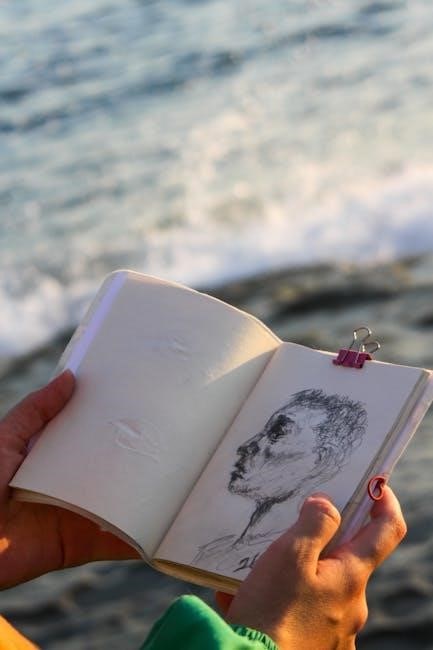
Nature journaling and artistic representation offer a unique and powerful method for documenting environmental shifts over time. Unlike purely scientific data collection‚ artistic approaches capture nuanced details and qualitative observations often missed by quantitative measurements. Sketches‚ paintings‚ and detailed written accounts can illustrate subtle changes in ecosystems‚ species behavior‚ and landscape features.
This visual and textual record becomes particularly valuable when assessing long-term environmental impacts. For instance‚ a series of journal entries depicting the decline of a specific plant species‚ coupled with detailed illustrations‚ can provide compelling evidence of habitat loss or the effects of pollution. The consistent‚ observational nature of journaling establishes a baseline and highlights deviations from the norm.
Furthermore‚ the act of close observation inherent in nature journaling fosters a deeper understanding of ecological processes. This intimate connection with the environment translates into more informed and persuasive documentation‚ potentially strengthening legal arguments related to environmental protection and restoration. The relational aspects to nature are stressed‚ reinforcing Indigenous authority.
Using Journal Entries in Legal Cases: Admissibility
The admissibility of nature journal entries as legal evidence is a developing area‚ dependent on established evidentiary rules. While not automatically accepted‚ journals can be introduced as demonstrative evidence‚ illustrating environmental conditions or changes over time. To be considered‚ entries must meet standards of relevance‚ authenticity‚ and reliability.
Establishing a clear chain of custody – demonstrating the journal’s unaltered state and the author’s consistent observational practices – is crucial. Expert testimony may be required to validate the scientific accuracy of observations and interpretations within the journal. Courts increasingly recognize the value of observational data‚ particularly when corroborating other forms of evidence.
The growing recognition of Rights of Nature principles may further enhance the admissibility of such documentation‚ as journals can provide direct evidence of harm to ecosystems. Linking ephemeral concepts of rights to concrete legal instruments is key‚ and detailed journals can serve this purpose effectively‚ especially when supporting Indigenous claims.
The Role of Observational Data in Environmental Litigation
Observational data‚ meticulously recorded in nature journals‚ is gaining prominence in environmental litigation as a crucial form of evidence. This data provides a longitudinal record of ecosystem health‚ documenting changes that might otherwise go unnoticed or be difficult to quantify through traditional scientific methods. Such records can establish patterns of environmental degradation‚ supporting claims of harm.
The strength of observational data lies in its detailed‚ firsthand accounts‚ often capturing nuances missed by remote sensing or infrequent sampling. It’s particularly valuable when corroborating scientific findings or establishing baseline conditions prior to environmental impacts;
Furthermore‚ observational data aligns with the principles of Rights of Nature‚ offering direct evidence of harm to ecosystems recognized as legal persons. Linking these observations to legal instruments‚ like constitutional provisions or tort remedies‚ strengthens legal arguments and reinforces the importance of relational aspects to nature‚ rather than dominance.

Legal Considerations for Nature Artists & Journalers
Artists and journalers must navigate copyright‚ defamation risks‚ and access permissions. Responsible representation of environmental issues is key‚ alongside understanding ownership of nature-based artwork.
Copyright and Ownership of Nature-Based Artwork
Determining copyright and ownership for nature-based artwork presents unique challenges. While the artistic expression itself is copyrightable‚ the subject matter – nature – is not. Artists retain copyright over their original depictions‚ whether sketches‚ paintings‚ or journal entries. However‚ complexities arise when artwork incorporates elements from protected lands or depicts endangered species.
Permissions may be required for commercial use of artwork created on private property or within national parks‚ respecting land access regulations. Furthermore‚ depicting specific locations could raise concerns regarding unauthorized reproduction of landscapes. Artists should document their process and any permissions obtained to establish clear ownership and usage rights.
The legal landscape surrounding derivative works – artwork based on pre-existing photographs or illustrations – also requires careful consideration. Ensuring originality and avoiding infringement are crucial. Ultimately‚ understanding copyright law and proactively addressing potential issues safeguards the artist’s rights and promotes responsible artistic practice within the context of nature representation.

Defamation and Responsible Representation of Environmental Issues
Nature artists and journalers must navigate potential legal pitfalls related to defamation and responsible environmental representation. While artistic license is generally protected‚ false or misleading depictions that harm the reputation of individuals or organizations involved in environmental issues can lead to legal action.
Accusations of wrongdoing‚ even implied through artwork‚ require factual basis and careful consideration. Responsible representation involves avoiding exaggeration‚ unsubstantiated claims‚ and biased portrayals. Journal entries intended for public dissemination should be thoroughly vetted for accuracy.
Artists should prioritize objective observation and avoid presenting opinions as facts. Documenting sources and acknowledging limitations in their knowledge strengthens credibility and minimizes legal risk. Furthermore‚ understanding the legal definition of defamation – including libel and slander – is crucial for protecting oneself from potential lawsuits while advocating for environmental protection through art.
Permissions and Access to Land for Artistic Practice
Nature artists and journalers frequently encounter legal considerations regarding access to land for their practice. Public lands often require permits for commercial activities‚ including art sales or workshops. Private land access necessitates explicit permission from the landowner‚ ideally documented in writing to avoid disputes.
Understanding trespass laws is paramount; unauthorized entry can result in legal penalties. Even on seemingly accessible land‚ restrictions may apply to specific activities like collecting specimens or disturbing wildlife. Respecting Indigenous land rights and seeking appropriate consultation is crucial when working on or near tribal lands.
Artists should research local regulations and obtain necessary permits before commencing their work. Documenting permission and adhering to land use rules demonstrates responsible practice and minimizes legal risks. Awareness of access easements and public rights-of-way is also essential for lawful artistic endeavors.

Indigenous Knowledge & Legal Rights
Integrating Indigenous perspectives into nature journaling strengthens legal arguments for environmental stewardship‚ recognizing traditional ecological knowledge (TEK) and reinforcing Indigenous authority within Rights of Nature frameworks.
Incorporating Indigenous Perspectives in Nature Journaling
Nature journaling‚ when approached with cultural sensitivity‚ can become a powerful tool for acknowledging and integrating Indigenous knowledge systems. This involves moving beyond purely observational documentation to actively seeking and respectfully representing Indigenous understandings of the land‚ water‚ and all living beings;
Such integration isn’t simply about including Indigenous artistic styles‚ though that can be a component. It’s about adopting methodologies that prioritize relationality – recognizing the interconnectedness of all things‚ a core tenet of many Indigenous worldviews. Journal entries might include not only sketches and observations‚ but also stories‚ oral histories (with permission and proper attribution)‚ and reflections on reciprocal relationships with the environment.
Furthermore‚ acknowledging the historical and ongoing impacts of colonization on Indigenous lands and communities is crucial. Journaling can become a space for critically examining one’s own positionality and biases‚ and for advocating for Indigenous sovereignty and self-determination. This approach aligns with the growing legal recognition of Indigenous environmental stewardship and the increasing use of Traditional Ecological Knowledge (TEK) in legal arguments concerning environmental protection and Rights of Nature.
The Legal Recognition of Indigenous Environmental Stewardship
A significant shift is occurring in legal landscapes‚ increasingly acknowledging the long-standing and effective environmental stewardship practices of Indigenous communities. Historically marginalized‚ Indigenous knowledge systems are now gaining recognition as vital components of conservation and environmental law. This recognition stems from a growing understanding that Indigenous peoples often possess deep ecological knowledge accumulated over generations of living in close relationship with the land.
Legal frameworks are beginning to incorporate principles of Indigenous sovereignty and self-determination‚ granting greater authority to Indigenous communities in managing and protecting their traditional territories. This includes recognizing customary laws and practices related to resource management‚ and granting Indigenous communities standing in environmental litigation.

The integration of Traditional Ecological Knowledge (TEK) into legal arguments is becoming more common‚ providing valuable insights into ecosystem dynamics and sustainable practices. This shift reflects a broader move towards recognizing non-anthropocentric values and fostering a more holistic approach to environmental protection‚ aligning with the principles of Rights of Nature movements.
Traditional Ecological Knowledge (TEK) and Legal Arguments
The increasing integration of Traditional Ecological Knowledge (TEK) into legal proceedings represents a pivotal development in environmental law. TEK‚ encompassing the accumulated wisdom of Indigenous and local communities regarding their environment‚ offers invaluable insights often absent from Western scientific approaches. Its inclusion strengthens legal arguments by providing long-term observational data and holistic understandings of ecosystem dynamics.
Legal scholars are actively exploring ways to effectively incorporate TEK into environmental impact assessments‚ resource management plans‚ and litigation strategies. This often involves collaborative research with Indigenous communities‚ ensuring respectful and culturally appropriate knowledge transfer. Successfully utilizing TEK requires addressing challenges related to evidentiary standards and ensuring the protection of sensitive cultural information.
Furthermore‚ TEK supports the Rights of Nature framework by demonstrating the interconnectedness of ecosystems and the inherent value of non-human entities‚ reinforcing Indigenous authority and jurisdiction over ancestral lands.

Future Trends: The Legal Landscape of Nature Art
Expect increased demand for artists skilled in environmental documentation. Their work may directly influence legal cases‚ shaping environmental law and advocating for nature’s rights through visual evidence.
The Potential for “Nature Attorneys” with Artistic Skills
A fascinating future trend involves the emergence of legal professionals uniquely equipped with artistic abilities – “Nature Attorneys.” These individuals would bridge the gap between legal advocacy and detailed environmental observation. Their skillset would encompass not only a deep understanding of Rights of Nature laws and environmental litigation‚ but also proficiency in nature journaling‚ scientific illustration‚ and potentially even landscape painting.
This combination is powerful. Artistic documentation‚ as highlighted by recent scholarship‚ provides compelling evidence of environmental change‚ potentially admissible in court. A Nature Attorney could create detailed visual records of ecological damage‚ bolstering legal arguments and offering a nuanced understanding of impacted ecosystems. They could translate complex scientific data into accessible visual narratives for judges and juries‚ strengthening the case for environmental protection. Furthermore‚ their artistic practice could incorporate Indigenous Ecological Knowledge (TEK)‚ enriching legal strategies with traditional perspectives.
Such a professional would be invaluable in navigating the evolving legal landscape surrounding nature’s rights‚ contributing to a more holistic and effective approach to environmental law.
The Role of Art in Shaping Environmental Law
Art‚ particularly nature-based artwork and journaling‚ is poised to play an increasingly significant role in shaping the trajectory of environmental law. Historically‚ naturalist illustrations were crucial for scientific understanding‚ influencing early legal frameworks related to resource management. Today‚ art transcends mere documentation; it evokes empathy and fosters a deeper connection with the natural world‚ influencing public perception and legal discourse.
The growing recognition of non-anthropocentric values‚ as explored in recent legal expressivist scholarship‚ demonstrates art’s power to stress relational aspects of nature. Detailed journal entries and visual representations can serve as compelling evidence of environmental degradation‚ potentially influencing legal decisions and supporting Rights of Nature claims. By visually articulating the intrinsic value of ecosystems‚ art challenges purely economic valuations and promotes a more holistic legal approach.
Ultimately‚ art can humanize environmental issues‚ making them more relatable and compelling to lawmakers and the public alike‚ driving legal reform.
Challenges and Opportunities for Legal Recognition of Nature’s Value
Legal recognition of nature’s inherent value presents both significant challenges and exciting opportunities‚ particularly when considering the role of nature journaling and art. A primary hurdle lies in translating the ephemeral concept of “rights” into concrete legal instruments‚ as highlighted by contemporary legal scholarship. Establishing standing for nature – defining who can advocate on its behalf – remains a complex issue.
However‚ the increasing adoption of Rights of Nature laws in Ecuador‚ Bolivia‚ and potentially within the United States‚ offers a pathway for incorporating artistic and observational evidence. Nature journals‚ with their detailed documentation of environmental changes‚ could become admissible as supporting evidence in litigation.
The potential for “Nature Attorneys” skilled in both law and artistic representation is a promising development. Overcoming anthropocentric biases within legal systems and fostering interdisciplinary collaboration are crucial for realizing the full potential of this evolving legal landscape.