

Inclusive classrooms prioritize all learners, employing differentiated instruction to address varied needs, strengths, and readiness levels—a non-categorical approach to teaching.
The Core Principles of Inclusion
Inclusion centers on the belief that all students, regardless of ability, deserve equitable access to high-quality education within a general education setting. This necessitates recognizing and valuing diversity, fostering a sense of belonging, and providing individualized support;
Effective inclusion moves beyond mere physical placement; it demands proactive strategies like differentiated instruction to meet diverse learning needs. Teachers must cultivate professional vision, noticing crucial classroom dynamics and adapting instruction accordingly.
Ultimately, the core lies in creating a supportive environment where every student can thrive academically, socially, and emotionally.
The Need for Differentiated Instruction
Differentiated instruction isn’t simply a beneficial practice; it’s a necessity within inclusive classrooms. Students enter with varying learning styles, skills, and readiness levels, demanding tailored approaches. A “one-size-fits-all” model inevitably leaves some students behind, hindering their potential.
Effective differentiation addresses these differences by modifying content, process, or product. It boosts student motivation, improves academic outcomes, and fosters a positive learning environment. Recognizing teachers’ perception skills is crucial for noticing individual needs.
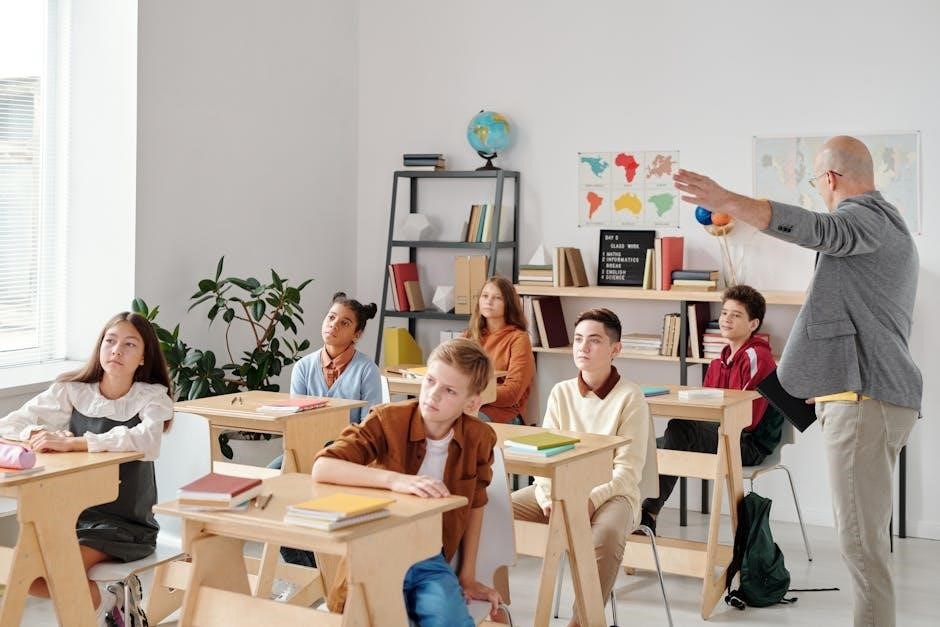
Understanding Diverse Learner Needs
Recognizing students’ unique learning styles, strengths, and challenges is paramount for effective inclusion; teachers must develop professional vision for noticing differences.
Identifying Learning Styles and Preferences
Understanding how students learn best—their preferred learning styles and individual preferences—is crucial for tailoring instruction. This involves observing student engagement, analyzing their work, and utilizing varied teaching methods. Recognizing these differences allows educators to move beyond a ‘one-size-fits-all’ approach.
Effective strategies include offering choices in assignments, providing multi-sensory experiences, and fostering a classroom where students feel comfortable expressing their learning needs. Teachers’ professional vision helps them notice these nuances, leading to more personalized and impactful learning experiences for all.
Recognizing Students’ Strengths and Challenges
Effective differentiated instruction begins with a thorough understanding of each student’s unique profile – their inherent strengths and areas needing support. This requires attentive observation of student performance, careful analysis of their work, and open communication.
Teachers must utilize their professional vision to ‘notice’ both academic successes and struggles. Building upon strengths fosters motivation, while targeted support addresses challenges. Acknowledging individual differences creates a positive learning environment where all students can thrive and reach their full potential.
Addressing Varying Readiness Levels
Differentiated instruction directly responds to students’ varying readiness levels, ensuring tasks are appropriately challenging yet attainable. This isn’t about lowering expectations, but rather providing varied pathways to success. Strategies include tiered assignments – offering different levels of complexity – and flexible grouping, allowing students to work with peers at similar readiness levels.
Teachers can also modify content, process, or product to match individual needs. Recognizing that students learn at different paces is crucial for fostering growth and preventing frustration within an inclusive setting.
Key Strategies for Differentiated Instruction
Effective differentiation involves modifying content, process, and product to meet diverse learner needs, boosting memory, attention, motivation, and peer interaction skills.
Differentiating Content
Differentiating content focuses on what students learn. This involves tailoring instructional materials to varying readiness levels and learning styles. Strategies include providing texts at different reading levels, offering varied resources like videos or audio recordings, and pre-teaching key vocabulary.
Teachers can also utilize tiered assignments, presenting the same core concepts through different levels of complexity. Furthermore, compacting content—allowing students who’ve mastered material to move on—ensures engagement. Adjusting the complexity of the information presented is crucial for inclusive classrooms.
Differentiating Process
Differentiating process concerns how students make sense of the content. This involves providing choices in activities and allowing students to explore concepts through varied learning modalities. Flexible grouping—whole class, small group, pairs, or individual work—is key.
Activities can be tiered to match readiness, or learning centers can offer diverse options. Encouraging peer interaction and collaboration supports understanding. Focusing on student strengths and providing opportunities for active learning are vital components of an inclusive classroom.
Differentiating Product
Differentiating product focuses on how students demonstrate their learning. This means offering varied options for assessments and final projects, allowing students to showcase understanding in ways that align with their strengths and preferences.
Products could include traditional essays, presentations, performances, or more creative options like videos or models. Tiered assignments ensure appropriate challenge. The goal is to assess mastery of content, not simply adherence to a single format, fostering motivation and engagement within an inclusive setting.

Practical Techniques for Implementation
Flexible grouping, tiered assignments, and learning centers are key techniques for successfully implementing differentiated instruction and fostering inclusive learning environments.
Utilizing Flexible Grouping
Flexible grouping allows teachers to dynamically adjust student arrangements based on readiness, interest, or learning style. This contrasts with static grouping, offering varied peer interactions and collaborative opportunities. Groups aren’t fixed; students move fluidly, promoting motivation and engagement.
Teachers observe student needs – a core component of professional vision – to form groups for targeted instruction. This approach supports differentiated instruction, addressing individual strengths and challenges. It’s a practical strategy for creating truly inclusive classrooms, enhancing academic success for all learners.
Employing Tiered Assignments
Tiered assignments offer different levels of complexity for the same core concept, catering to varying readiness levels within an inclusive classroom. Students work on tasks adjusted to their current understanding, ensuring appropriate challenge without frustration. This differentiation supports all learners in meeting standards.
Effective implementation requires careful assessment of student skills and knowledge. Teachers utilize formative assessment to guide tier placement, fostering growth and academic success. Tiered tasks promote engagement and allow students to demonstrate mastery in ways that suit their individual needs.
Implementing Learning Centers
Learning centers provide varied activities focused on specific skills or concepts, fostering student choice and independence within an inclusive setting. These centers allow for differentiated instruction, catering to diverse learning styles and preferences. Students rotate through centers, engaging in tasks aligned with their readiness levels.
Effective centers incorporate hands-on materials and collaborative opportunities, promoting peer interaction and motivation. Careful planning ensures centers address core standards while offering varied pathways to mastery, supporting academic success for all learners.

Technology Integration for Differentiation
Educational apps and online resources offer varied learning experiences, supporting differentiated instruction and catering to individual student needs within inclusive classrooms;
Leveraging Educational Apps and Software
Educational apps and software provide powerful tools for differentiation, offering personalized learning paths and adaptive challenges. These resources can address diverse learning styles and readiness levels, enhancing student engagement.
Specifically, apps can support memory, attention, and motivation – key areas for all students, but particularly beneficial for those with learning differences.
Teachers can utilize these technologies to deliver content in multiple formats, provide targeted practice, and monitor student progress effectively, fostering a truly inclusive learning environment.
Using Online Resources for Varied Learning
Online resources expand access to differentiated materials, offering diverse content formats like videos, interactive simulations, and digital texts. These platforms cater to varied learning preferences and allow students to explore topics at their own pace.
Teachers can curate collections of online tools aligned with specific learning objectives, providing tiered assignments and supplemental support.
This approach fosters student independence and allows for personalized learning experiences, ultimately promoting academic success within an inclusive classroom setting.
Assessment and Monitoring Progress
Formative assessments and summative adaptations are crucial for tracking student growth in inclusive settings, informing instruction and supporting RTI/MTSS frameworks.
Formative Assessment Techniques
Formative assessment provides ongoing feedback to both teachers and students, guiding instructional adjustments within differentiated instruction. Techniques include observation of student work, quick checks for understanding like exit tickets, and peer assessment activities.
These methods allow teachers to notice individual student needs and tailor lessons accordingly, fostering a responsive learning environment. Regularly monitoring student progress informs instructional decisions, ensuring all learners are challenged and supported. Utilizing these strategies validates effective techniques and promotes academic success.
Summative Assessment Adaptations
Summative assessments, evaluating learning at a unit’s end, require adaptation within differentiated instruction to accurately reflect student understanding. Modifications include extended time, alternative formats (oral reports instead of written essays), reduced answer choices, or simplified instructions.
These adjustments ensure assessments measure content mastery, not learning barriers. Aligning adaptations with individual needs, informed by formative data, provides a fair evaluation. This approach supports all learners in demonstrating their knowledge and achieving success, validating effective teaching practices.
Response to Intervention (RTI) and Multi-Tiered Systems of Support (MTSS)
RTI and MTSS frameworks are crucial for inclusive classrooms, providing systematic, data-driven support for struggling learners. These multi-tiered approaches offer increasing levels of intervention—Tier 1 (universal instruction), Tier 2 (targeted support), and Tier 3 (intensive intervention)—based on student response to teaching.
Effective implementation necessitates ongoing progress monitoring and adjustments to instruction. This ensures all students receive appropriate support, promoting academic and behavioral success, and preventing long-term learning gaps through proactive, differentiated strategies.
Universal Design for Learning (UDL) Framework
UDL proactively designs instruction for diverse learners, offering multiple means of representation, action/expression, and engagement—aligning seamlessly with differentiated instruction.
UDL Principles in the Inclusive Classroom
Universal Design for Learning (UDL) centers around three core principles: multiple means of representation, action and expression, and engagement. Representation focuses on presenting information in varied formats to cater to different learning styles. Action and expression allows students to demonstrate knowledge in multiple ways, acknowledging diverse strengths.
Engagement aims to stimulate interest and motivation for all learners. Implementing UDL within an inclusive classroom fosters a flexible learning environment, proactively minimizing barriers and maximizing access for every student, supporting differentiated instruction effectively.
Aligning UDL with Differentiated Instruction
UDL and differentiated instruction are powerfully synergistic. UDL provides a blueprint for creating flexible learning environments, while differentiation tailors instruction within that framework to meet individual student needs. UDL proactively addresses learner variability, reducing the need for reactive adjustments.
Differentiation then refines the approach, offering personalized content, process, or product options. This alignment ensures all students have equitable access to learning and opportunities to demonstrate mastery, fostering a truly inclusive and effective classroom.

Addressing Common Core State Standards (CCSS)
CCSS integration within differentiated lessons ensures all learners access rigorous content, utilizing varied strategies to support mastery for diverse student needs and skills.
Integrating CCSS into Differentiated Lessons
Successfully integrating Common Core State Standards requires thoughtful planning within a differentiated framework. Teachers must analyze standards to pinpoint essential skills and knowledge, then design lessons offering multiple pathways to achieve them. This involves modifying content, process, or product to match student readiness, interests, and learning profiles.
Utilizing tiered assignments, flexible grouping, and varied resources allows all students to engage with the core concepts at their appropriate level. Regularly assessing student understanding through formative techniques informs instructional adjustments, ensuring continuous progress toward meeting CCSS expectations.
Supporting All Learners in Meeting Standards
Effective support for all learners hinges on recognizing diverse strengths and challenges. Differentiated instruction provides varied access points to content, ensuring every student can demonstrate understanding. Strategies like tiered assignments and learning centers cater to differing readiness levels, fostering success.
Proactive adjustments, informed by formative assessment, are crucial; Collaboration with special education professionals and utilizing resources like RTI/MTSS frameworks further bolster support, enabling all students to achieve academic standards and thrive in inclusive environments.
Fostering a Positive and Supportive Classroom Environment
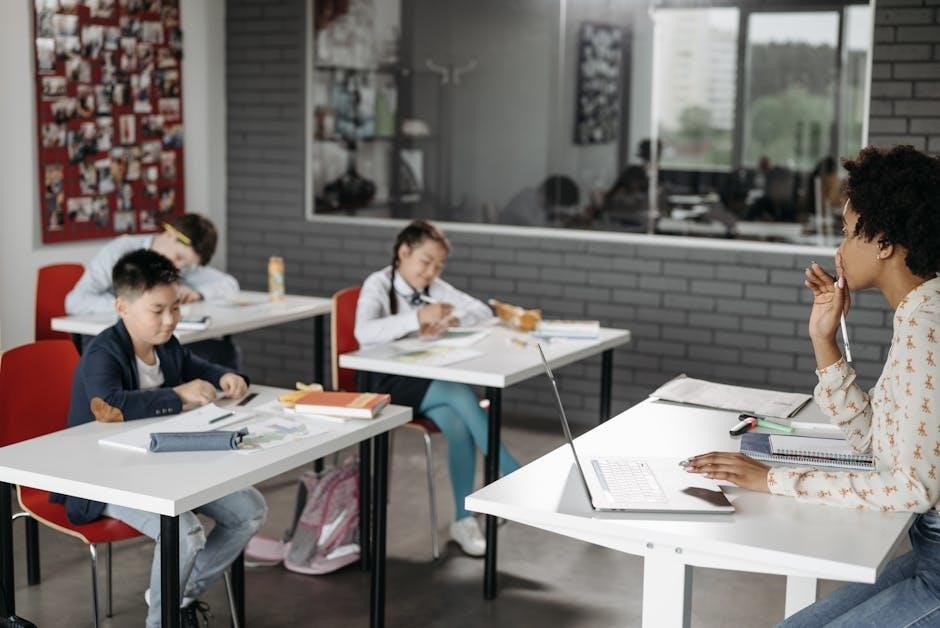
Positive environments boost motivation and engagement through peer interaction and collaboration, vital for inclusive classrooms and successful differentiated instruction strategies.
Promoting Peer Interaction and Collaboration
Peer interaction is a cornerstone of inclusive classrooms, enhancing learning through shared experiences and diverse perspectives. Strategies like think-pair-share, collaborative projects, and peer tutoring foster a supportive atmosphere. These techniques improve memory, attention, and social skills, benefiting all students.
Effective differentiated instruction leverages collaborative learning to address varying readiness levels and learning styles. By working together, students can support each other’s understanding and build a stronger sense of community within the classroom, ultimately leading to academic success.
Building Student Motivation and Engagement
Motivation and engagement are crucial in inclusive classrooms, particularly when employing differentiated instruction. Tailoring content to students’ interests and strengths sparks enthusiasm and a sense of ownership over their learning. Utilizing varied instructional methods—like flexible grouping and tiered assignments—keeps students actively involved.
Strategies improving attention and study skills further enhance engagement. A positive classroom environment, coupled with targeted teaching practices, fosters a love of learning and supports academic success for every student, regardless of their individual needs.
Professional Development and Collaboration
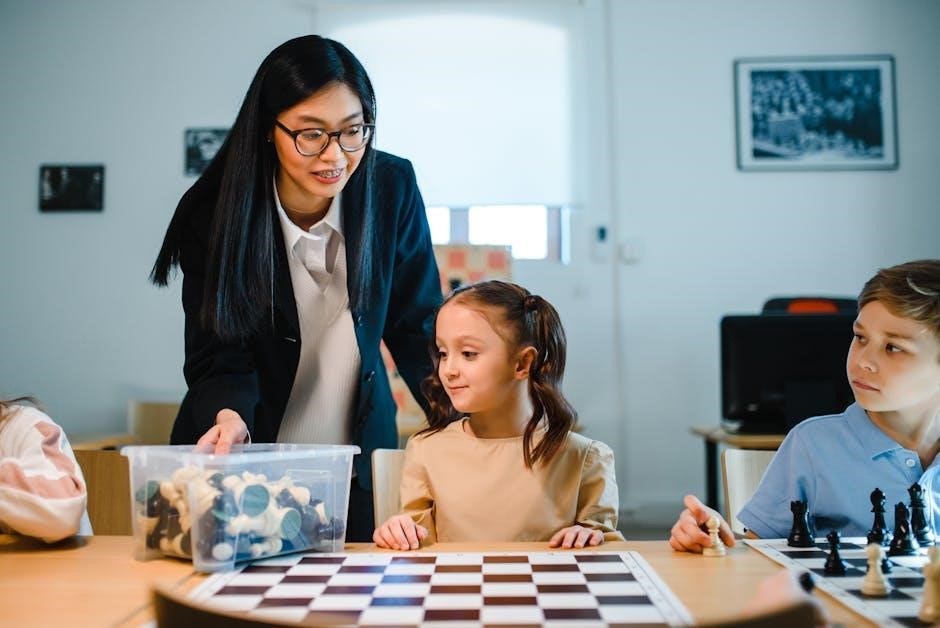
Ongoing training is vital for educators implementing differentiated instruction, alongside collaboration with special education professionals to ensure inclusive practices benefit all learners.
The Importance of Ongoing Training
Continuous professional development is paramount for educators striving to create truly inclusive learning environments. Mastering differentiated instruction requires sustained learning about diverse learner needs, effective strategies, and current best practices. Workshops, collaborative planning sessions, and access to research – like that validating techniques for memory and motivation – are crucial.
Staying abreast of evolving frameworks, such as Response to Intervention (RTI), Multi-Tiered Systems of Support (MTSS), and Universal Design for Learning (UDL), ensures teachers can effectively support all students in meeting standards and achieving academic success.
Collaborating with Special Education Professionals
Effective inclusive classrooms thrive on strong partnerships between general education teachers and special education professionals. Regular co-planning, shared observations, and open communication are essential for tailoring instruction to meet individual student needs. Leveraging the expertise of special educators ensures appropriate accommodations and modifications are implemented effectively.
This collaborative approach supports a non-categorical approach, focusing on student strengths and challenges, and aligning with frameworks like RTI and MTSS. Jointly analyzing student data and implementing differentiated instruction strategies maximizes learning outcomes for all.